
The archaeology collection of The Wilson contains a rich quantity of material relating to the prehistoric and Roman occupation of the North Cotswolds and parts of the Severn Vale, as well as material from the Saxon, medieval and post-medieval history of the area.

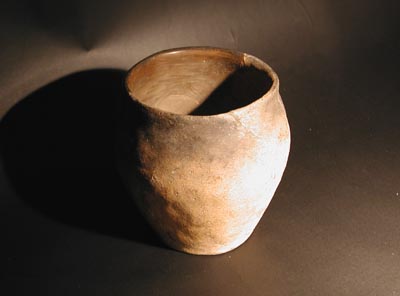
Salmonsbury Camp, near
Bourton on the Water.
Over three quarters of the collection consists of finds made in Gloucestershire, with a small but significant group of non-local archaeology, including ancient Greek, Roman and Egyptian antiquities. Today we no longer collect non-local material. The museum only accepts finds and associated archival material recovered from its collection area of Cheltenham district and certain other parishes in North Gloucestershire. We work closely with the other Gloucestershire museums and the excavation units to ensure archaeological collecting is streamlined, and together we have just written a set of county-wide guidelines for collecting.
The collection belongs to Cheltenham Borough Council, who hold it on behalf of the public.

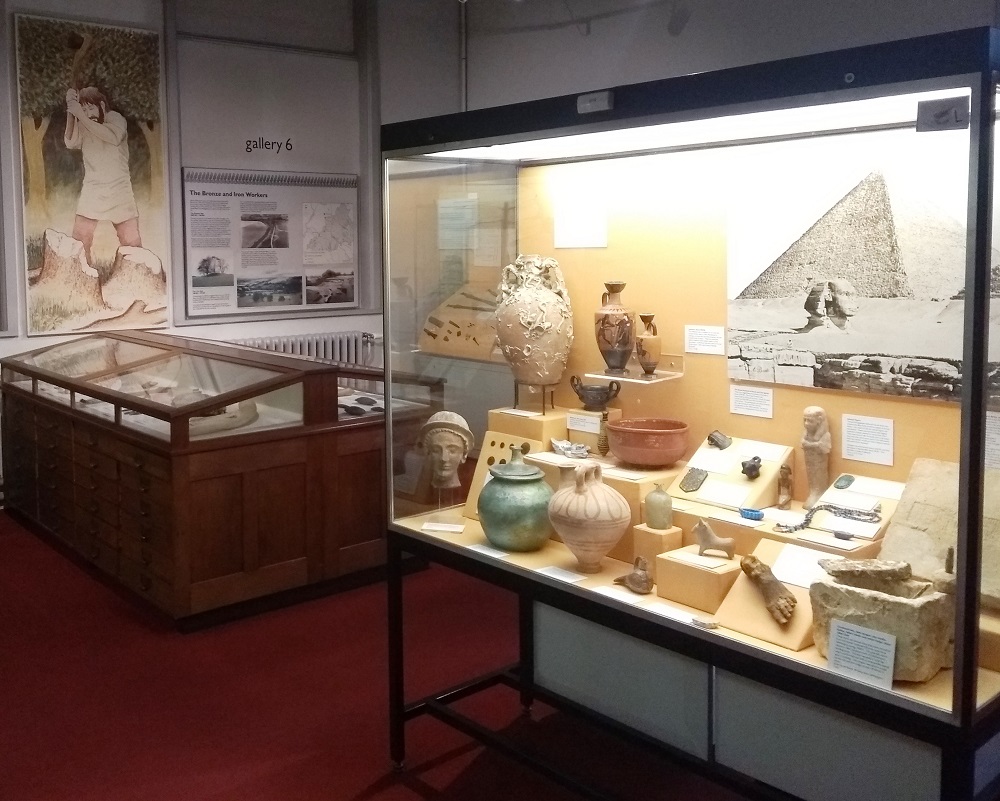
The archaeology gallery at The WilsonThe museum is committed to making its archaeological collection available to the public in an exciting and absorbing way.
The museum’s archaeological collection provides resources to researchers engaged on specific projects, and to students at all levels of education. We have a growing number of requests from scientific and research agencies to access artefacts and human remains in the museum’s archaeological collection.

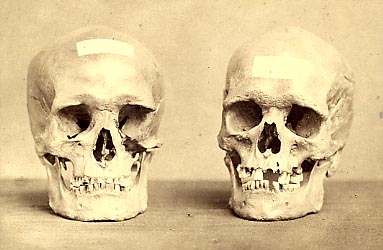
A study at Belas Knap has examined the marks on the remains and compared them to marks made by wild dogs at a safari park, concluding that burial practice was very different to previous theory.  A world health organisation study even used this site to examine diet, again using scientific analysis, to assist in mapping out improved diet for refugee camps.
The material from the site at West Tump has been examined using DNA and isotope analysis and found that previous identifications were completely wrong! Witts who excavated the site in 1880 thought he had found a princess and a baby. Scientific analysis cannot establish the sex of the skeleton but does tell us the bones are those of a teenager. The baby is in fact a puppy.
New techniques and new approaches will be developed for studying archaeological material in the future, and exploiting these will depend heavily on the quality of the materials now preserved in the museum.

testing prehistoric pottery fragments in the lab.
All of these services demand a high level of professional curatorial work by museum staff to ensure survival of objects in the collection. This requires the maintenance of environmentally appropriate storage and conservation. Also important is maintaining a robust recording discipline, without which control of, and access to, the items in the collection would be impossible.
Adding to this, since 1990, Government planning regulations have required that assessment of archaeologically sensitive sites takes place before development can be approved. This has resulted in a marked increase in archaeological “sampling†around the museum’s collecting area and a new and sizeable storage and conservation role for the museum.  Especially since the Valetta Convention in 1992, museums throughout Europe are committed to preserving, and supporting scientific research into, our archaeological heritage. The Wilson has made a significant contribution to preserving and piecing together the fascinating archaeological history of Cheltenham and its surrounding area and will continue to do so.
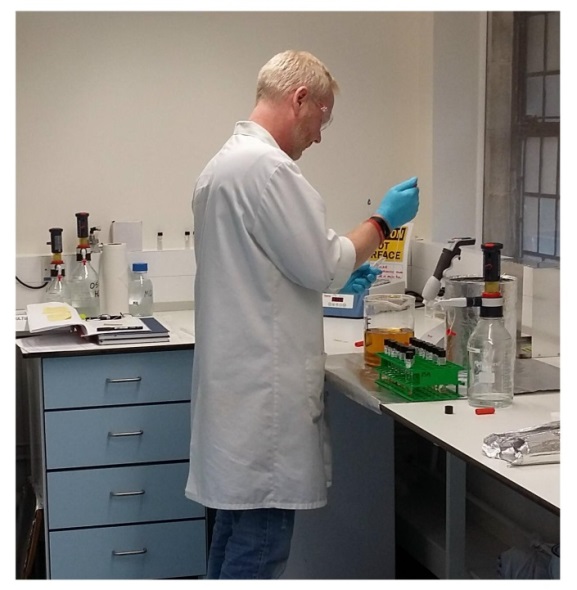
Scientist-image
Archaeology-Gallery-3
The archaeology gallery at the Wilson.
1978_715_1_5
Two human skulls from Belas Knap long barrow
Salmonsbury-Camp-Jar
A complete jar excavated at Salmonsbury Camp, near Bourton on the Water.
Share this article
Follow us
A quick overview of the topics covered in this article.