
From an early age he had been interested in music; he learnt piano from six years old, and soon added recorder and clarinet to his repertoire. At age 16 he sold his clarinet so he could move on to saxophone. Around this time he also began teaching himself guitar and became an active member of Cheltenham’s rapidly changing music scene.
From around 1959 to 1962 he performed with a number local musicians and jazz groups, developing his skills and establishing a reputation. Between 1960 and 1962 he was employed by John Keen to play guitar, while for a brief time in 1961 Brian joined the local band the Ramrods playing saxophone for them. While Brian moved away to London, The Ramrods continued to play an important part in the music scene in Cheltenham playing gigs with some of the big names of the 1960s such as the Shadows.

At this time Cheltenham Town Hall was a regular venue for local musicians as well as being played by already established artists. As a local lad it is possible that Brian would have come here regularly, indeed it is believed that he was here at least once in 1961 for an Alexis Korner electric blues set. It is said that seeing the performance compelled him to grab his guitar and introduce himself. A friendship sparked and Brian began to spend time with Alexis in London where he met a wider circle of musicians. By July 1962 he had helped create the Rolling Stones.
The Rolling Stones quickly became one of the major bands of the 1960s with hits Come On in 1963 and Not Fade Away in 1964. Success continued in 1965 with Mick Jagger and Keith Richards writing the songs. Brian’s role was to enhance the songs using his ability to play a wide array of musical instruments. Brian’s input gave the Rolling Stones a unique edge and can be heard in a number of songs such as, Paint it Black where he played sitar, Dandelion where he played saxophone and Not Fade Away where Brian played the harmonica.

Brian Jones found immense fame and success with the Rolling Stones and in September 1964 he returned to his hometown as a rock star and performed with them at the Odeon. He enjoyed his fame and lived it to the full but in 1969 Brian Jones was found drowned in his swimming pool at the age of 27. His funeral was held at St Mary’s Church and he was laid to rest at the Cheltenham Cemetery in Bouncers Lane.

Brian Jones’ part in creating such an iconic band has made him a hugely influential figure in British culture and has inspired a devoted fan club. Since his death he has been commemorated in his home town when a blue plaque was been placed on his family home in Eldorado Road. In 2005 a bronze bust was privately commissioned and placed on public display in Beechwood Arcade where it remained for 10 years. It was later displayed at Cheltenham Town Hall in 2017 and is now on display the Pitville campus of the University of Gloucestershire.
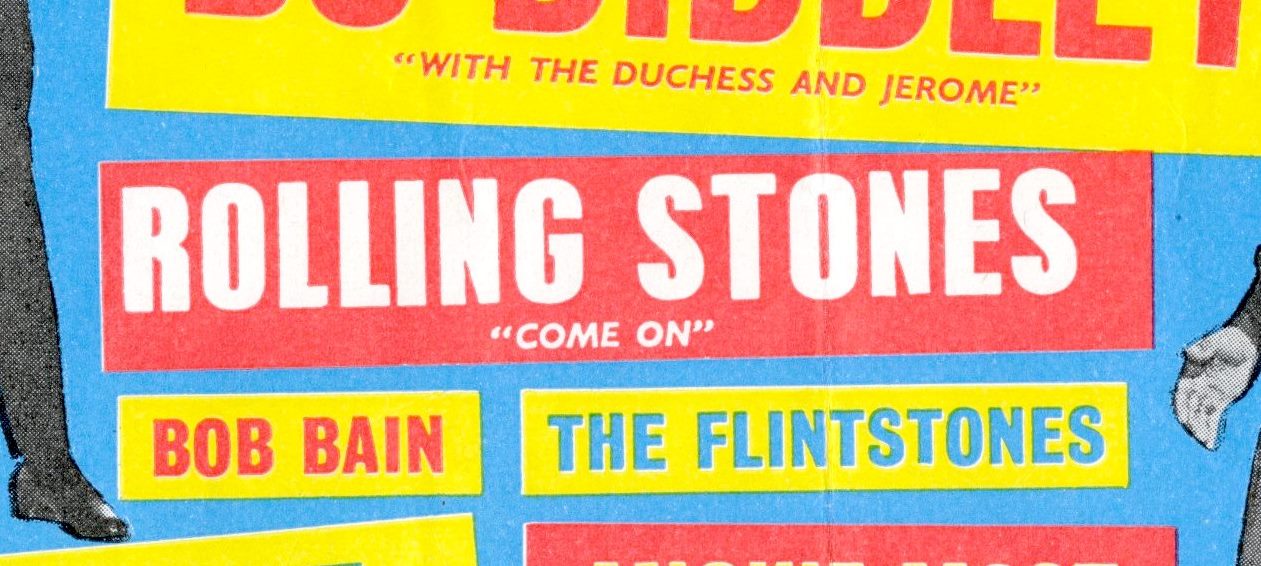
The Wilson also holds a small number of objects relating to Brian Jones including a Odeon programme featuring the Rolling Stones amongst the performers for that night as well as black and white photography of his funeral in Cheltenham.

1996.141-Brian-funeral
The funeral of Brian Jones, photograph courtesy of Mike Charity ©
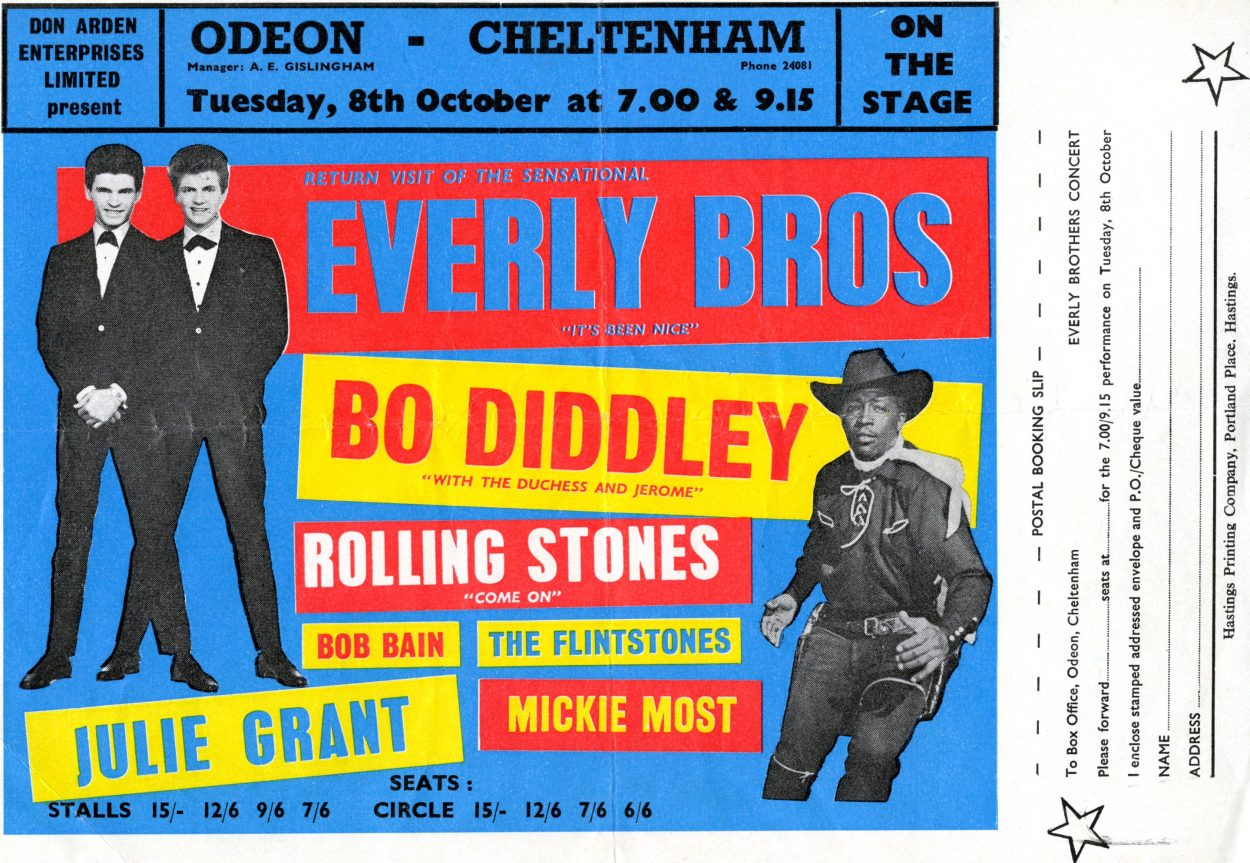
1997.238-1250×863
A programme from the Odeon listing the Rolling Stones as one of the acts.
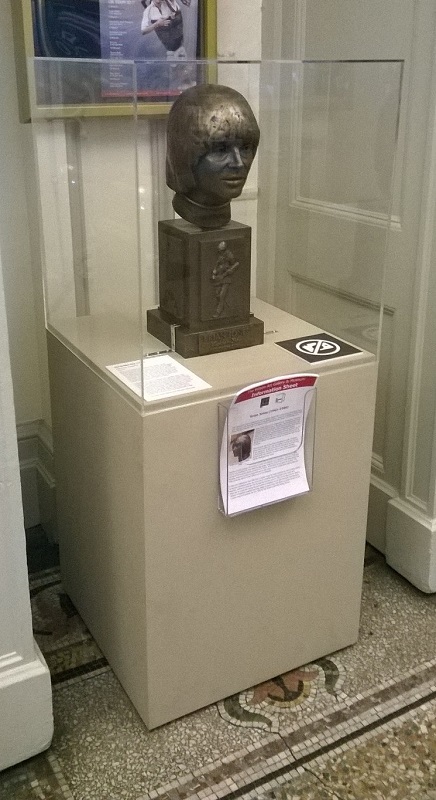
Bust-of-Brian-jones-on-display-at-the-Town-Hall
‘Golden boy’ The bust of Brian Jones displayed at Cheltenham Town Hall during 2017.
Share this article
Follow us
A quick overview of the topics covered in this article.