
The Wilson holds a large collection of ceramics from China, much of it from the collector Stanley Berkeley Smith. Collecting started soon after the museum opened in 1907 and in 1922 Berkeley Smith loaned over 800 pieces from his collection to the museum. Part of his collection came to the museum at his death in 1955. Berkeley Smith, a banker, was originally from Gloucester, and his father worked as a solicitor in Cheltenham. Berkeley Smith worked in India and what is now Pakistan all his life, and his collection was put together in India. It includes ceramics from the 14th century to the late 19th century. He particularly liked the bold, multi-coloured wares of the Ming and Qing dynasties: 18th century ‘ginger’ jars became a distinctive part of the collection. Originally used for transporting spices such as ginger, they became a decorative feature in people’s homes in Europe during the 18th and 19th centuries.
Since 1955, the art gallery and museum has added pieces to its Chinese ceramics collection, concentrating on early ceramics such as Tang dynasty earthenware from the 7th century AD, and 20th century and contemporary pieces.
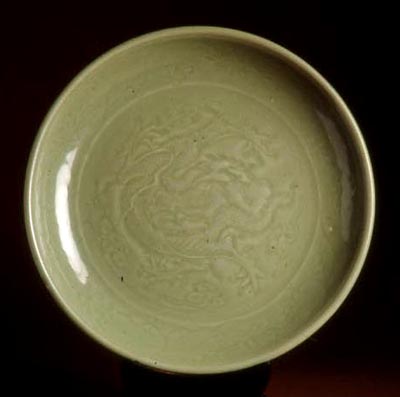
1955-162-235
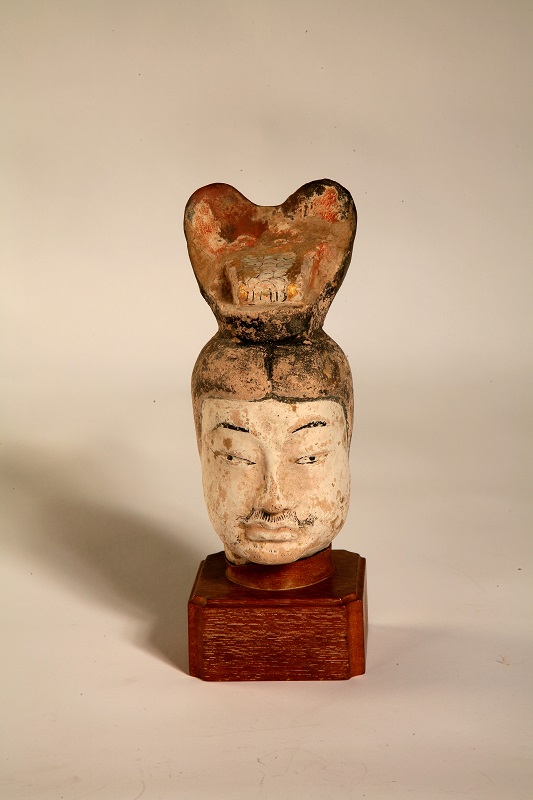
1991.1107head
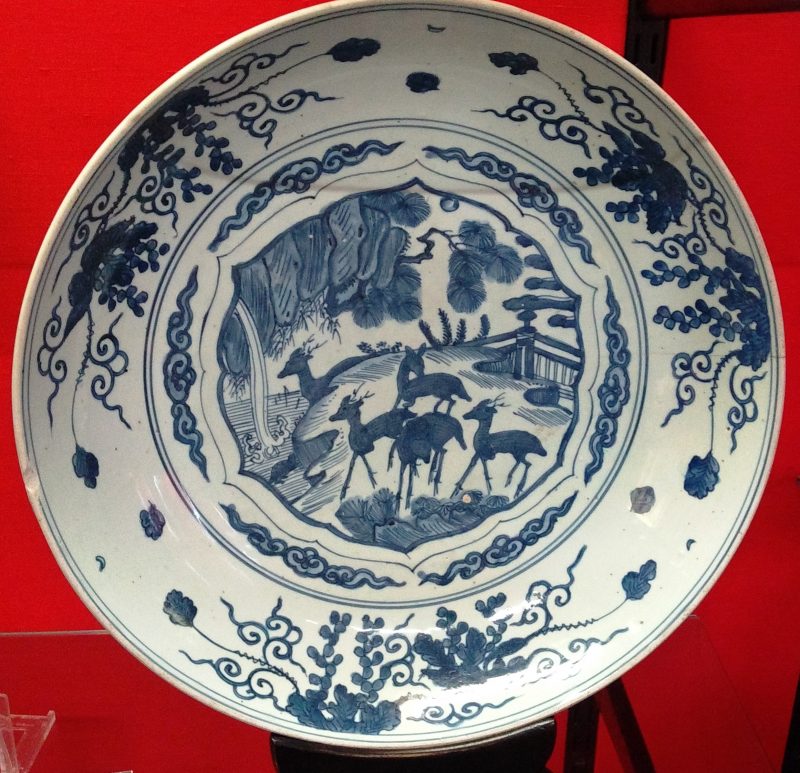
1955_162_98-e1523463061711
Share this article
Follow us
A quick overview of the topics covered in this article.