
Dr Edward Adrian Wilson, Artist
Wilson’s medical and scientific skills were matched by his artistic talent. It was this combination that led to his appointment, in 1901, as second medical officer, vertebrate zoologist and artist on Captain Scott’s National Antarctic Expedition, which set sail in the Discovery in August 1901.
During the expedition, Wilson undertook important scientific work and began to create the superb series of Antarctic drawings and watercolours that are his main artistic achievement.
This picture gallery shows Dr Edward Wilson’s life through his own artwork. All the images are held by The Wilson; most are part of the Wilson Family Collection.
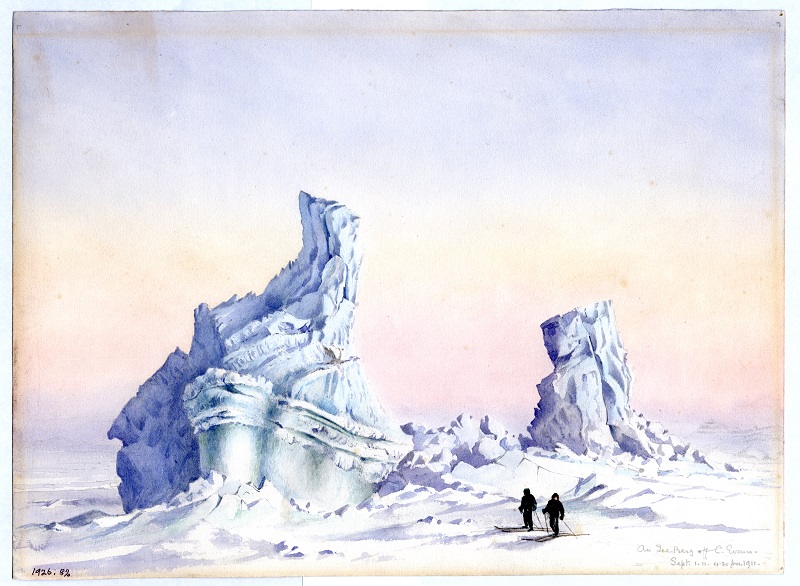
An-iceberg-off-Cape-Evans-1911-sm
An Iceberg off Cape Evans, watercolour painting 1911
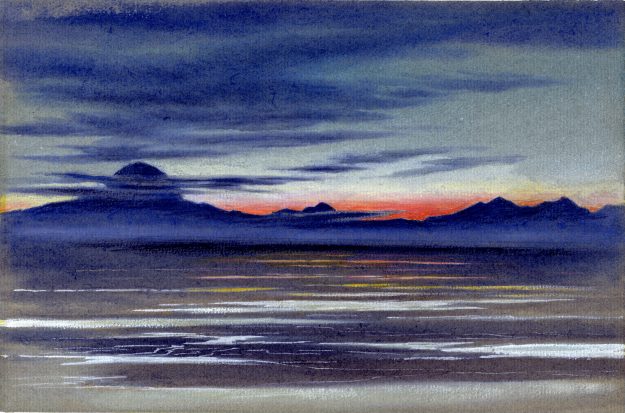
Looking-West-from-Hut-Point-1911-625×413
Looking west from Hut Point, watercolour painting 1911
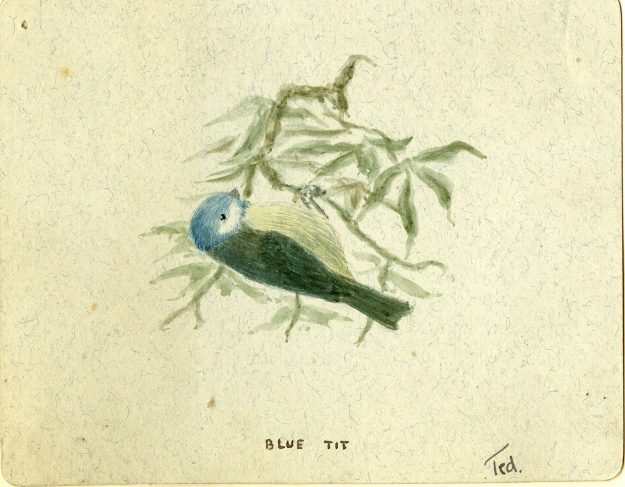
A-Blue-tit-painted-when-Wilson-was-young-undated-625×487
A Blue Tit painted when Wilson was young
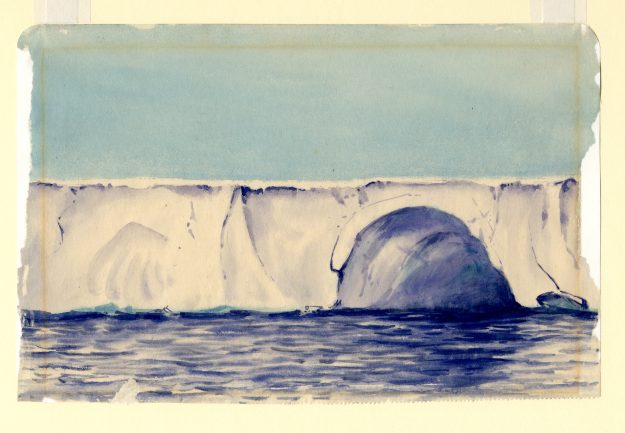
A-cave-in-the-Ross-Ice-Barrier-1901-1904-625×433
A cave in the Ross Ice Barrier, watercolour painting 1901 – 1904
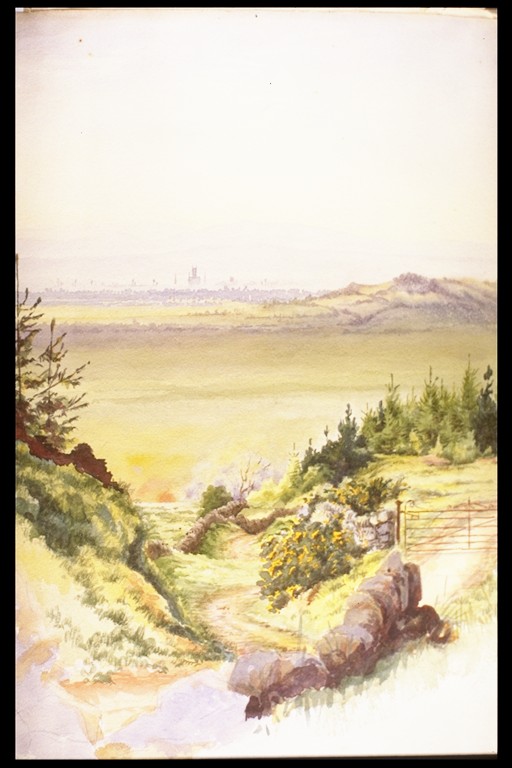
Gloucester-from-Crickley-Hill-painting-1891-5
Gloucester from Crickley Hill, watercolour painting 1891 – 95

Feet-of-Emperor-Penguin-chick1903-625×367
Feet of an Emperor Penguin chick, watercolour painting 1903
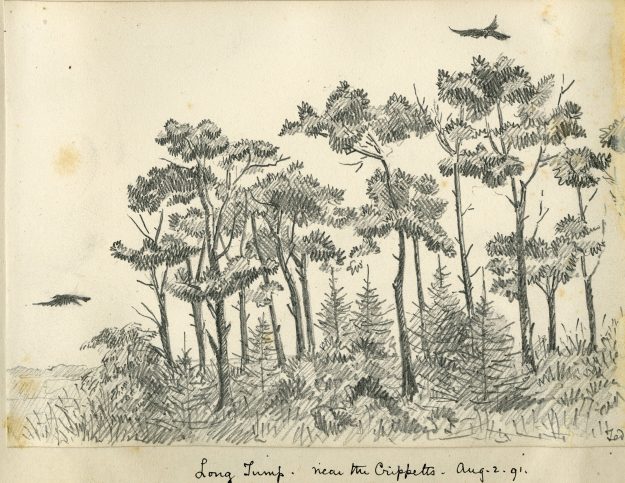
Long-Tump-from-The-Crippetts-August-1891-625×483
Long Tump from The Crippetts, pencil drawing August 1891
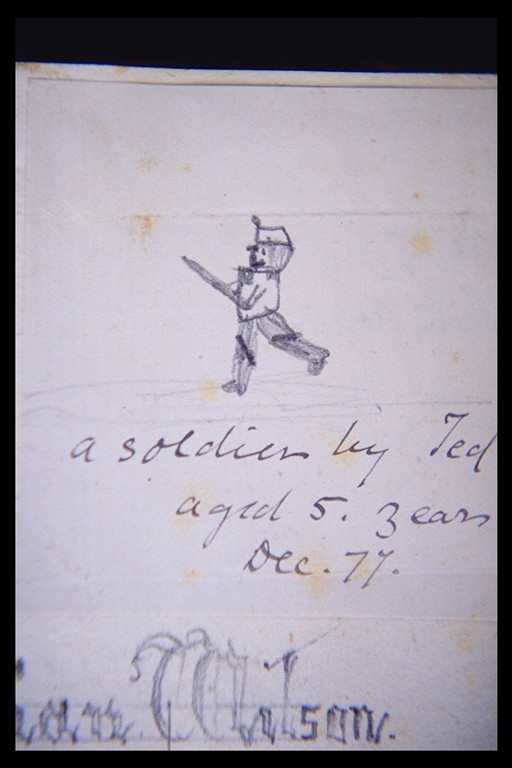
Toy-Soldier-sketched-when-Wilson-was-5-1887
A toy soldier, sketched when Wilson was 5
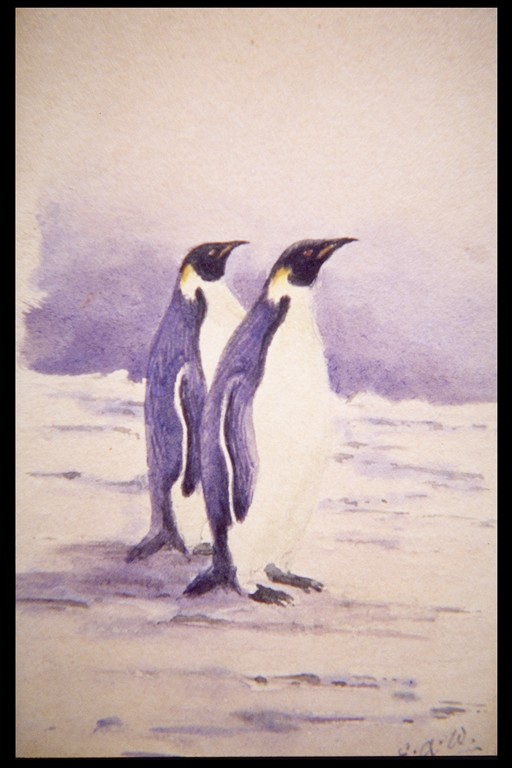
Two-Emperor-Penguins-painting-1904
Two Emperor Penguins, watercolour painting 1904
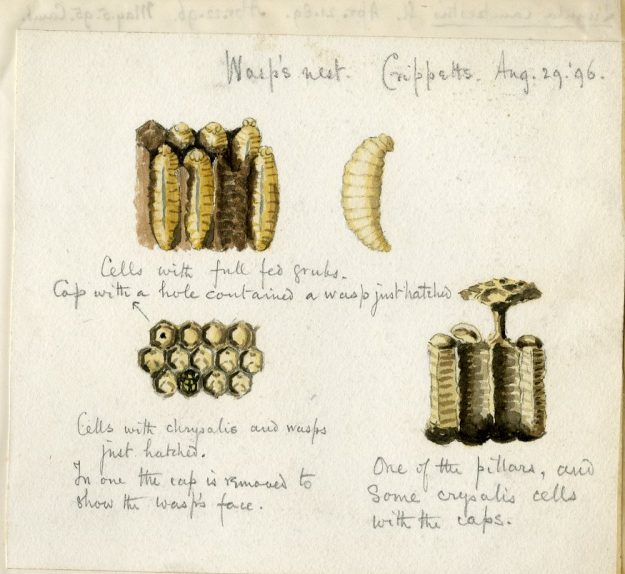
Wasps-nest-at-The-Crippetts-1896-625×574
A Wasps Nest at the The Crippetts, watercolour paintings with annotations 1896
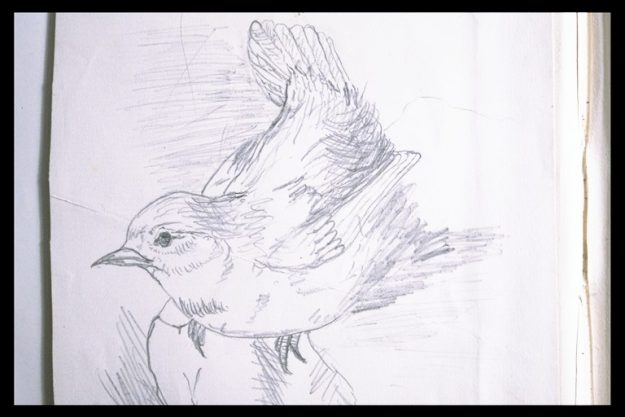
Wren-sketch-1886-625×417
SA Wren, pencil sketch 1886
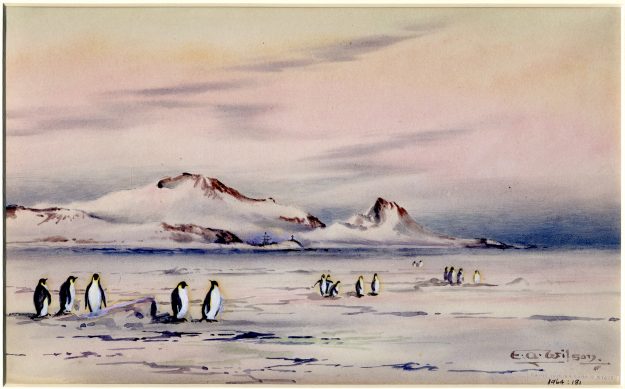
Discovery-Winter-Quarters-1904-625×389
Discovery Winter Quarters, watercolour painting 1904

Cheltenham-from-The-Crippetts-painting-1895-625×417
Cheltenham from The Crippetts, watercolour painting 1895
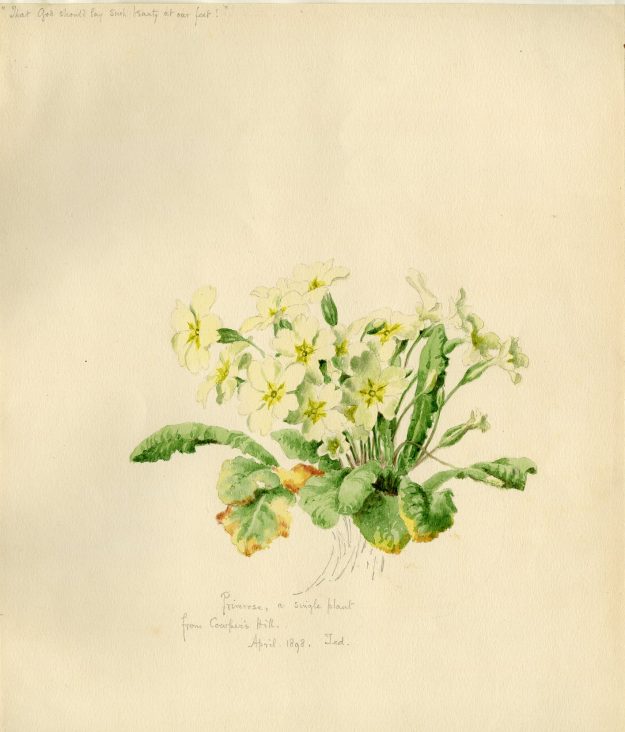
A-primrose-at-The-Crippetts-1898-625×732
A primrose at The Crippetts, watercolour painting 1896
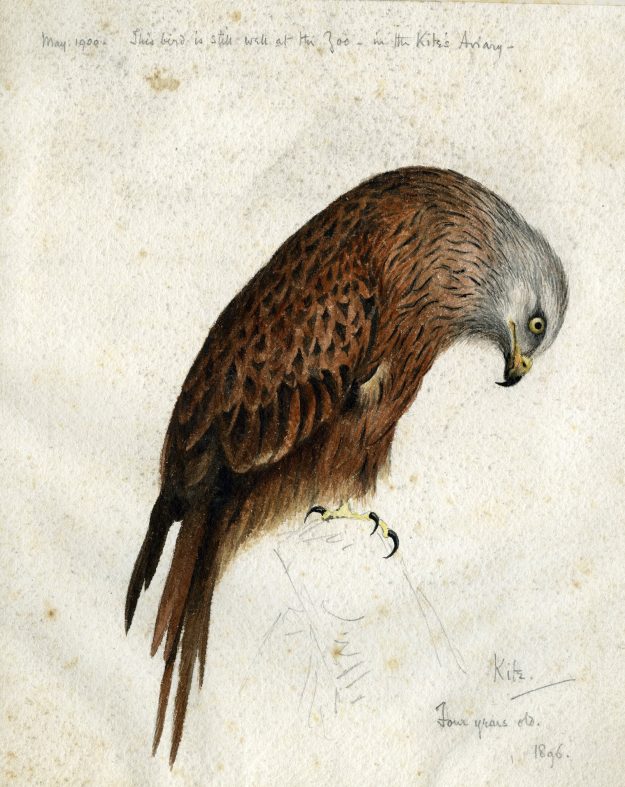
A-kite-1896-625×787
A Kite, watercolour painting, 1896
Share this article
Follow us
A quick overview of the topics covered in this article.