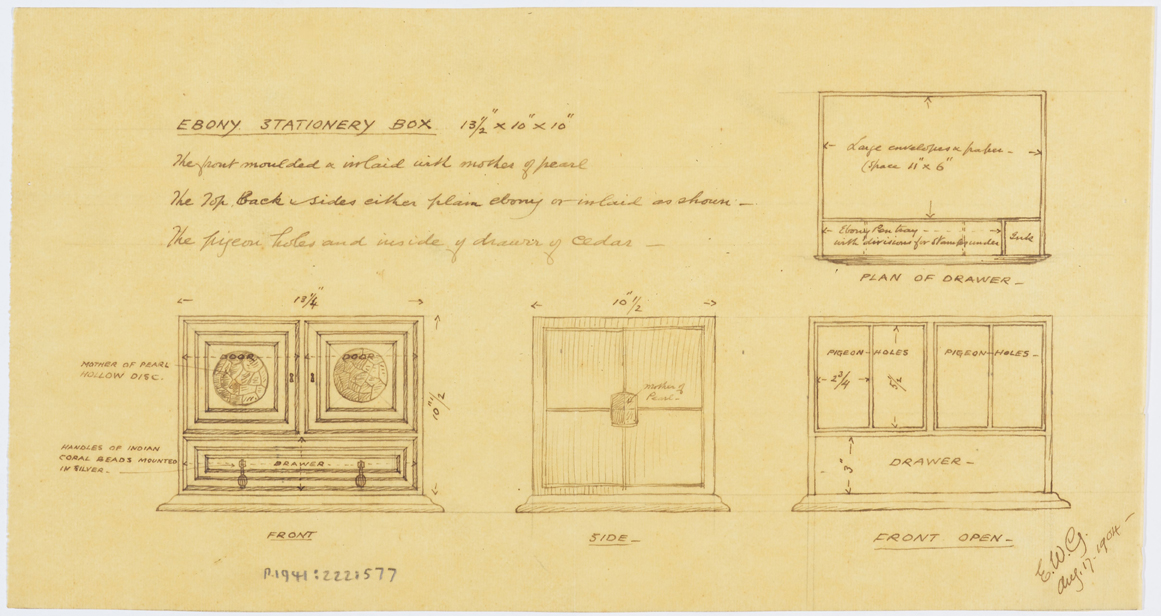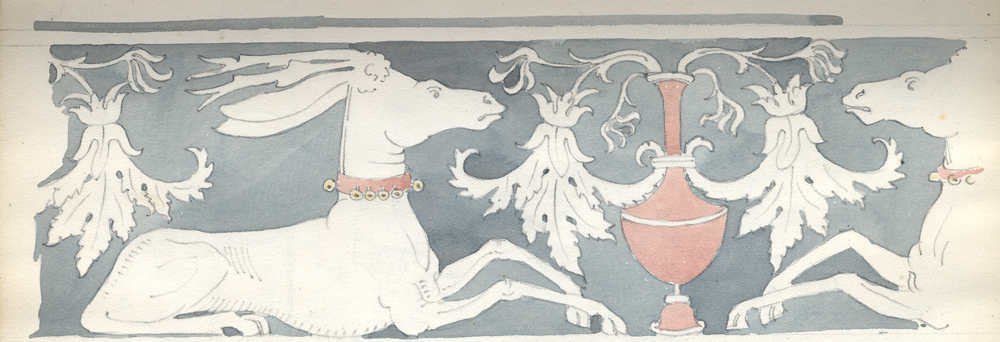

William and Eve Simmonds made a reality of William Morris’s belief that art could be the visible expression of an individual’s delight in work and the natural world. They moved to Far Oakridge in 1919. William was a woodcarver, Eve an embroiderer, and together they ran a puppet theatre. The Wilson holds a number of examples of their work.

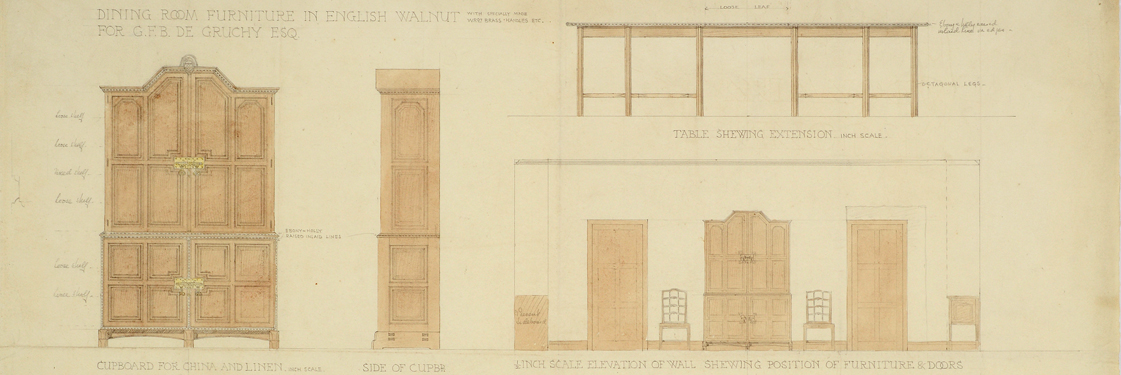
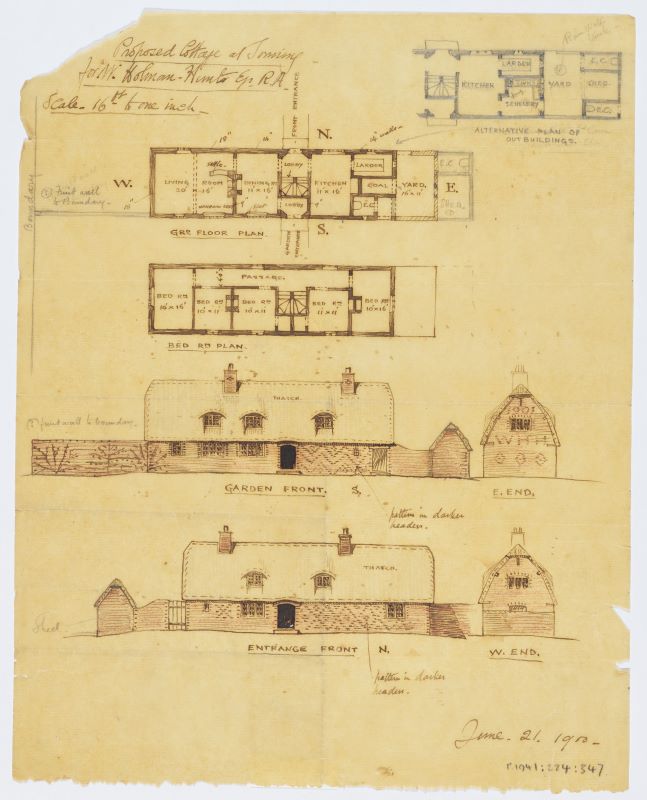
William Simmonds’ (1876–1968) father was an architect, and he spent four years in his father’s architectural office, then from 1893 he studied painting at the Royal College of Art. From 1905, he worked for part of the year with Edwin Austin Abbey in Fairford, Gloucestershire. Eve Peart (1884–1970), from Walthamstow, studied art at the Slade. The couple shared friends in the Arts and Crafts Movement, particularly Alfred and Louise Powell. They married in 1912, and moved to Fovant, Wiltshire. William’s father was ill around this time, and he started carving puppets as he sat by his father’s bed, giving his first performance to friends and family in Wiltshire that year. During the First World War William was a draughtsman, and worked on tank design. The couple moved back to London, living in Alfred and Louise Powell’s house. They spent the war not knowing that there was an unexploded bomb lodged in the mattress of the bed in the room in the house next door!

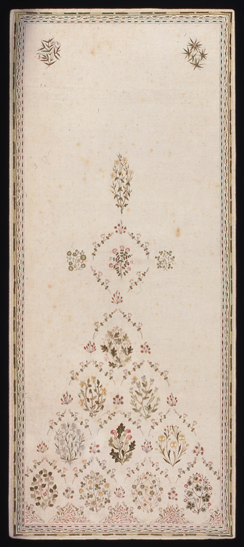
They became part of the community started when Ernest Gimson, Ernest and Sidney Barnsley moved to nearby Sapperton in 1893. Eve created a beautiful house, said her friend Nina Griggs, in ‘quiet muted colours, creams, greys, honey unstained oak furniture’ and Simmonds set up his workshop. Their neighbour, painter William Rothenstein, said, ‘Indeed he and his wife do everything well that they set about in house, workshop and garden.’ Eve made exquisite embroideries reflecting her love of flowers, and tended her garden. Meanwhile, William became heavily involved in the Oakridge Players, the village amateur dramatics group set up by Rothenstein, producing plays, creating and painting sets and acting alongside Gimson’s craftsmen and the locals.

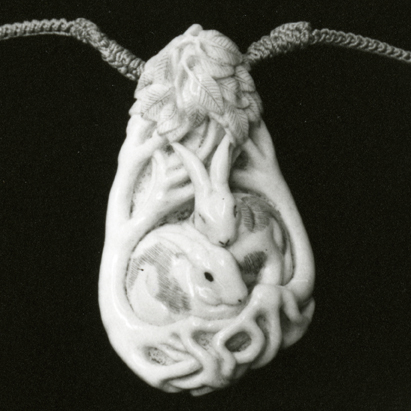
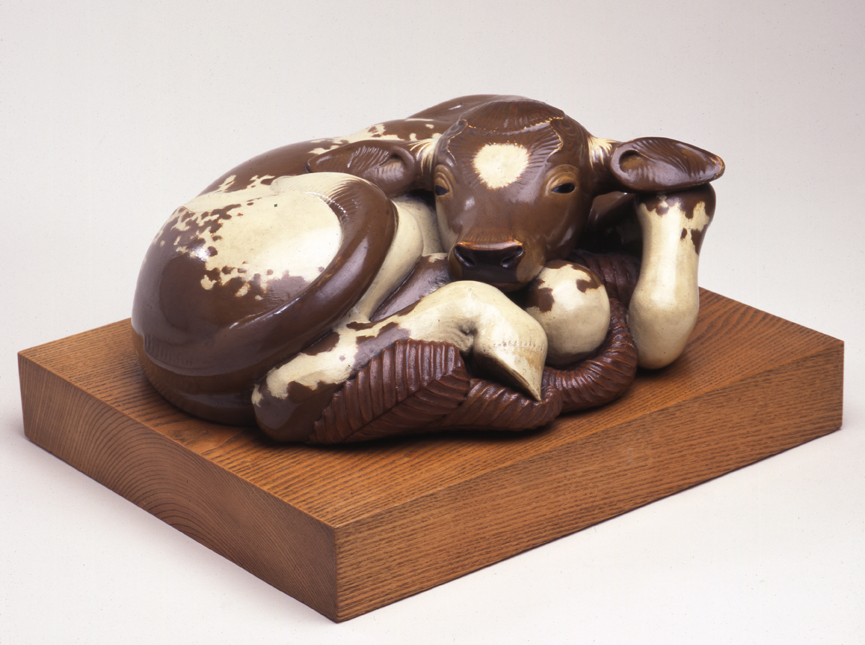
They moved to Far Oakridge so that William could concentrate on his new work: wood carving. During the war he had got into the habit of carrying a small piece of wood or ivory in his pocket while he was travelling, and he began to create tiny netsuke-like figures. Simmonds’ style was based on close observation of the natural world, and the simplified forms of his carvings seem to show the essence of the creatures he observed. Rothenstein described him as ‘a Little Master, in the old German sense’, and more tellingly his friend Edward Payne said of him, ‘he knows every horse in the neighbouring farms, which farmer has the finest goose, in which field there is a beautiful hare, or in his garden, where the wren builds its nest, and how it lives and feels. This is the material which he uses for his wood carvings.’

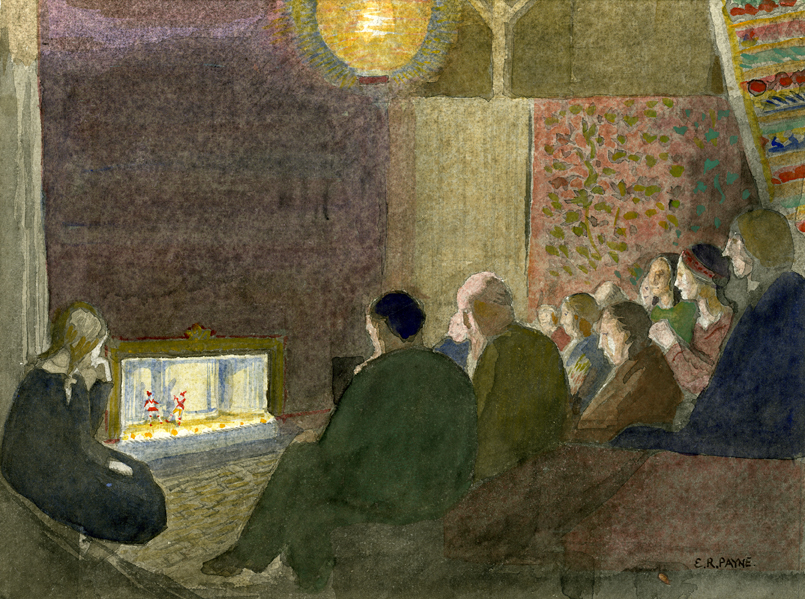
In the 1920s and 30s the puppet theatre became an important part of William and Eve’s lives. They performed in Far Oakridge, but this was also a professional venture. They toured the country houses of Britain – the Duke of Westminster was a fan – as well performing close to home at Nether Lypiatt and Rodmarton Manors. For some years, they had three weeks at the Grafton Theatre in London, and performed at the Art Workers’ Guild. William created the plays, made the sets and puppets, and performed the plays. Eve made the costumes and played the spinet. The puppet shows had themes like Harvest Home, where The Wilson’s horse and wagon comes from, and there was a pantomime horse that was the finale of a show, made of two puppets. Casty Cobb, their assistant, relates, ‘at the crucial moment the hook holding them together would be undone, briefly revealing the startled expression of the puppet playing the horse’s back-end before they both scarpered off stage…’ They didn’t make much money from their work, but their friend John Gywne described them as ‘two of the happiest people one can ever imagine’.
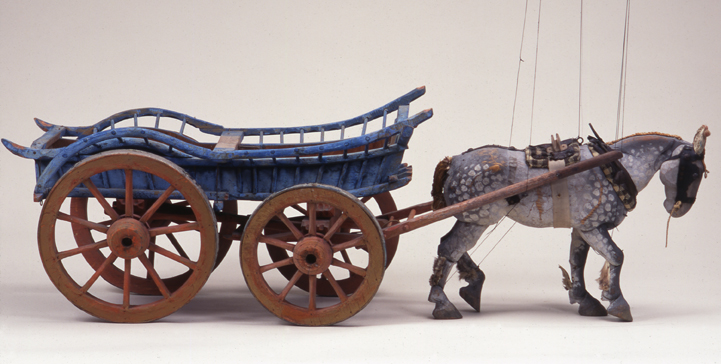
1997_36_a
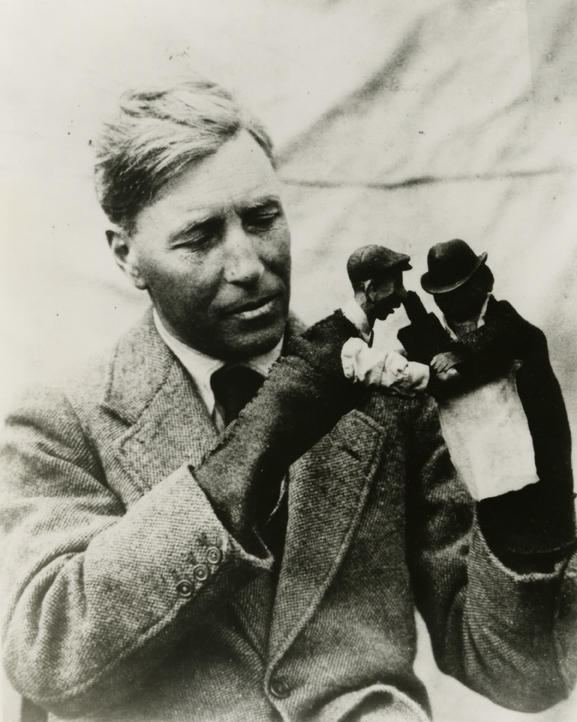
1997_36_a-Archive-1
William Simmonds with his puppets, 1920s.
1995_51
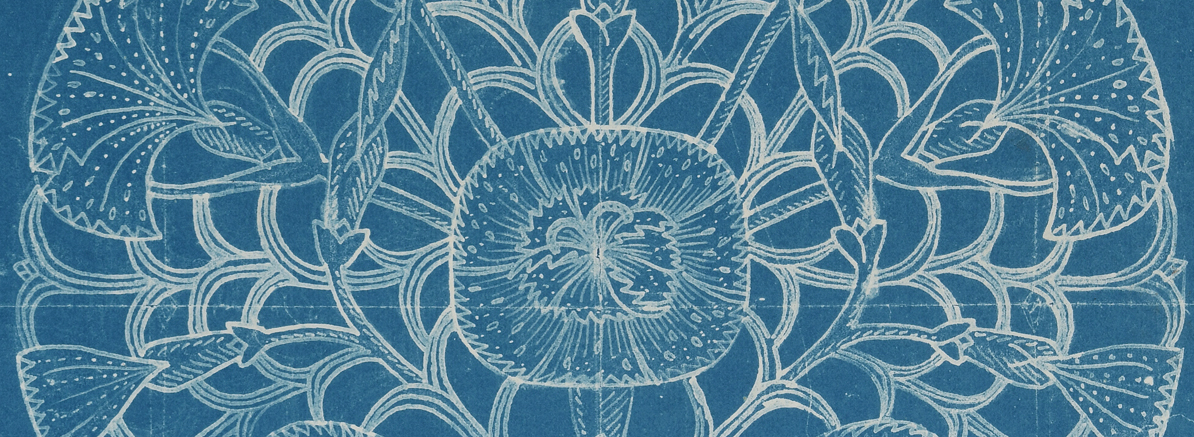
Embroidery designed and made by Eve Simmonds, 1916.
1980_1133
A Christmas Party: Puppet Performance by Edward Payne, mid-20th century. Watercolour. One of the Simmonds’ plays at Far Oakridge.
1952_140-Archive-2
A small ivory carving made William Simmonds during the First World War.
1952_140
Autumn Calf by William Simmonds, 1952. Painted English oak with ash base.
Share this article
Follow us
A quick overview of the topics covered in this article.